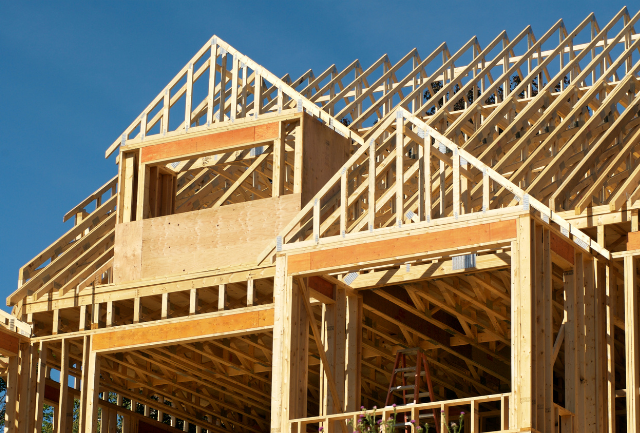
Why So Many Buyers Are Looking at New Construction
New construction homes are everywhere in Northern Virginia right now.
Loudoun County.
Prince William County.
Parts of Fairfax County and Arlington that still have land left to build on.
For many buyers, new construction feels like the safest option.
Everything is new.
Everything looks clean.
Everything feels predictable.
But new construction is not automatically the right choice for every buyer.
It has real advantages.
It also has real tradeoffs.
If you are thinking about buying a new construction home in Northern Virginia, this is what you should understand before you sign anything.
5 Things to Know About New Construction Homes
1. New construction homes often allow customization.
Buyers may be able to choose floor plans, finishes, and upgrades depending on when they purchase. More flexibility usually means a higher final price than the base cost.
2. New homes usually require fewer immediate repairs.
Builder warranties and modern systems often reduce early maintenance needs compared to older resale homes.
3. New construction homes typically cost more upfront.
Higher purchase prices, lot premiums, and upgrade selections can impact affordability and push buyers beyond their original budget.
4. Construction timelines are estimates, not guarantees.
Weather, permitting, and supply issues can delay completion and extend move-in dates.
5. New homes often lack mature landscaping and character.
New construction communities tend to have uniform designs and younger landscaping, which can feel less established at first.
If you are early in the process and trying to figure out whether new construction actually fits your budget, timeline, and lifestyle, now is a great time to schedule a Perfect Home Consultation. We can help you sort that out before you go any further.
If you’re considering building or buying new construction, it also helps to know what questions to ask before you sign anything. I covered that in more detail in this post on Questions to Ask before Building a New Home.
The Pros of Buying New Construction
New construction offers several clear advantages.
These are the reasons many buyers start their search here and why new construction often feels like the best option at first.

New From Top to Bottom
One of the biggest advantages of new construction is that nothing has been used before.
The roof is new.
The HVAC system is new.
The plumbing and electrical systems are new.
For buyers coming from older homes or condos, this can feel like a huge relief.
You are far less likely to face major repairs right after moving in, and early ownership costs tend to be more predictable.
That peace of mind is real.
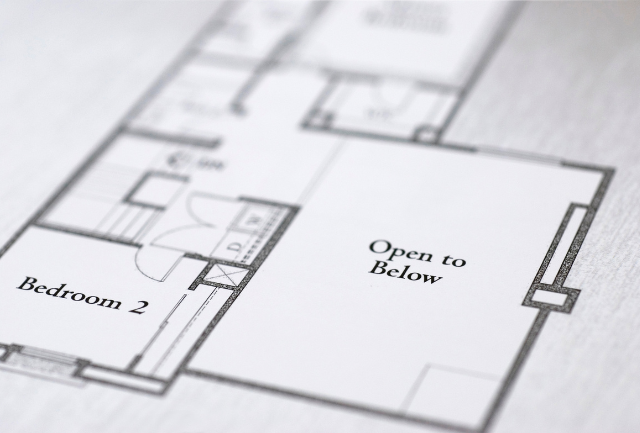
Modern Floor Plans
Most new construction homes in Northern Virginia are designed around how people live today.
Open kitchens that connect to the main living space.
Larger bedrooms and bathrooms.
Dedicated space for working from home.
In older homes, these layouts often require expensive renovations.
In new construction, they are built in from the start.
For many buyers, this is not about luxury.
It is about function.
Options at Different Price Points
New construction is not one single type of home.
In Northern Virginia, builders typically offer several paths that fit different budgets, timelines, and levels of control.
Understanding these options helps buyers avoid assuming that all new construction is either too expensive or too restrictive.
Spec Homes
Spec homes are built without a specific buyer in mind and are often already completed or close to completion.
They usually offer quicker move-in timelines and are often more affordable than other new construction options.
The tradeoff is limited control.
Design choices, layouts, and finishes are already selected by the builder.
For buyers who value speed and predictability over customization, spec homes can be a strong option.
Semi-Custom Homes
Semi-custom homes offer a middle ground.
Buyers typically choose from a set of floor plans and have the ability to personalize certain features such as finishes, upgrades, or structural options.
This allows for some customization without the cost or timeline of a fully custom build.
Wait times are usually shorter than fully custom homes, and pricing tends to be more controlled.
This option works well for buyers who want flexibility without overspending.
Fully Custom Homes
Fully custom homes offer the highest level of control.
Buyers work closely with architects and builders to design layouts, materials, and features from the ground up.
This flexibility comes with higher costs and longer timelines.
Fully custom homes are best suited for buyers who prioritize design freedom and are comfortable with extended build schedules and higher budgets.

Energy Efficienct by Design
New construction homes are built to current energy and building codes.
That typically means better insulation, tighter construction, and more efficient windows, heating, and cooling systems than older homes.
Over time, this can translate into lower utility costs and more consistent indoor temperatures, especially during Northern Virginia’s hot summers and cold winters.
Energy efficiency in new construction is not just about appliances.
It is about how the home is built as a system.
Air sealing.
Modern HVAC design.
Updated materials and standards.
While energy efficiency alone should not drive a buying decision, it is a meaningful long-term benefit that many buyers notice after moving in.
For homeowners planning to stay put for several years, these savings and comfort improvements add up.
New Home Warranties
Most builders provide warranties that cover workmanship, major systems, and structural components for a set period of time.
Warranties are not perfect, and they do not eliminate all issues.
But they do shift some early risk away from the buyer.
For first-time buyers, especially, this added layer of protection can be reassuring.
Built to Your Preferences
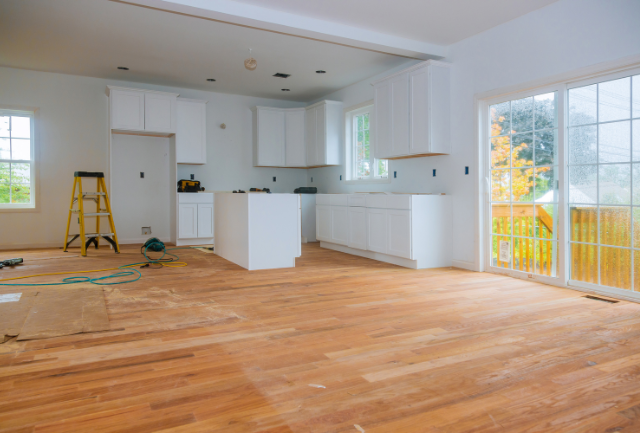
One of the biggest advantages of new construction is the ability to shape the home around how you actually live.
With semi-custom and fully custom homes, buyers often have flexibility over floor plans, finishes, and functional design choices. Even in communities that are not fully custom, signing a contract early in the build process can allow for meaningful modifications that are not possible with resale homes.
That flexibility may include layout adjustments, upgraded systems, or design decisions that improve day-to-day usability.
New construction also makes intentional planning easier from the start.
A first-floor primary suite.
Wider doorways or accessibility features.
Home offices designed for real work.
Specialty rooms built for a specific purpose, for example, a media room.
These features are far easier and more cost-effective to incorporate during construction than to retrofit later.
For many buyers, starting with a blank slate is preferable to remodeling after move-in. The key is understanding what is included in the base price and what will increase the final cost.
For buyers with specific needs or long-term plans, new construction offers a level of flexibility that older homes simply cannot match.
Builder Incentives Matter
Builders sometimes offer incentives to move inventory.
These incentives often show up as closing cost credits or mortgage rate buydowns when using the builder’s preferred lender.
In the right scenario, a rate buydown can have a bigger impact on the monthly payment than negotiating a lower purchase price on a resale home.
This is one area where new construction can surprise buyers in a positive way.

Lower Insurance Premiums
New construction homes are often cheaper to insure.
Insurance companies tend to view newer homes as lower risk because their systems are new and built to current standards.
New electrical systems reduce fire risk.
Modern plumbing lowers the likelihood of water damage.
Updated construction materials improve overall safety.
That usually means fewer issues related to fires or water damage, which is what insurance companies worry about most.
Lower premiums are not automatic, but many buyers do see lower quotes compared to older homes with aging systems.
It’s another area where new construction can quietly reduce monthly costs without buyers realizing it upfront.
New construction can be a great option when it lines up with the right location, builder, and budget.
Schedule a Perfect Home Consultation and we can help evaluate those factors before you get emotionally attached to a model home or community.
The Cons of Buying New Construction
Higher Purchase Prices
New construction homes typically cost more per square foot than comparable resale homes.
You are paying for new materials, labor, land development, and builder margins.
In Northern Virginia, this premium can be significant.
It is important to compare the total cost, not just the monthly payment or incentives.
Base Prices Are Misleading
Model homes create unrealistic expectations.
The advertised base price usually excludes lot premiums, structural options, and interior upgrades.
Once selections begin, the final price often rises quickly.
This is where buyers can unintentionally stretch beyond their original budget.

Timelines Are Not Guaranteed
If the home is not already completed, you are working with an estimated delivery date.
Weather delays.
Permit delays.
Supply chain issues.
These things happen.
If you have a lease ending, a home to sell, or a fixed move date, delays can create stress and added costs.
New Communities Take Time
Many new construction neighborhoods are works in progress for years.
Landscaping is young.
Amenities may be planned but not finished.
Construction traffic is common.
Some buyers enjoy watching a community grow.
Others miss the feel of established neighborhoods with mature trees and finished surroundings.
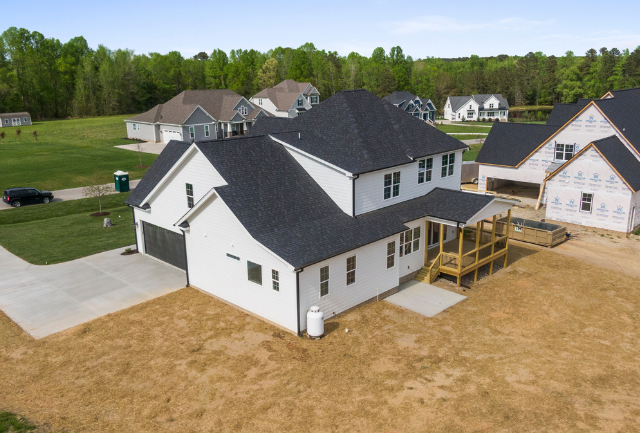
Living in an Active Construction Zone
Many new construction homes are built in communities that are still under development.
That means daily construction activity around your home.
Noise from heavy equipment.
Early morning work.
Dust, debris, and construction traffic.
This can last months or even years, depending on the size of the community.
For some buyers, this is manageable.
For others, it becomes a daily frustration.
It is especially important to consider if you work from home, have young children, or are sensitive to noise and disruption.
HOA Rules and Fees Are Common
Most new construction communities in Northern Virginia have homeowner’s associations.
HOAs come with rules, fees, and long-term obligations.
Some are reasonable.
Some are restrictive.
Understanding these documents before you commit is critical.
Amenities May Come Later
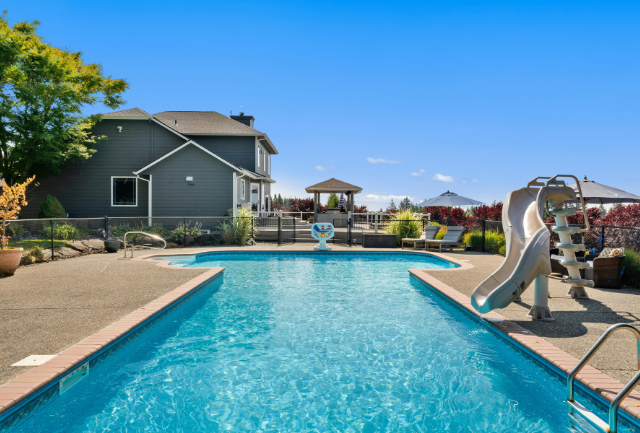
When you move into a new construction home, the neighborhood is usually not finished.
Parks may be planned but not built.
Retail may be promised but not open.
Schools may exist on paper but not yet assigned.
In many Northern Virginia communities, buyers move in during the earliest phases of development. That means living alongside active construction for an extended period of time.
Roads may still be temporary.
Sidewalks may be incomplete.
Landscaping will be young and sparse.
Daily life can include construction noise, trucks, dust, and detours. The community may not feel settled or welcoming for several years.
This does not make new construction a bad choice.
But buyers should understand that they are often buying into what the neighborhood will become, not what it is on move in day.
If finished amenities and established surroundings matter to you, this is a critical factor to weigh before committing to new construction.
Builders Control the Process
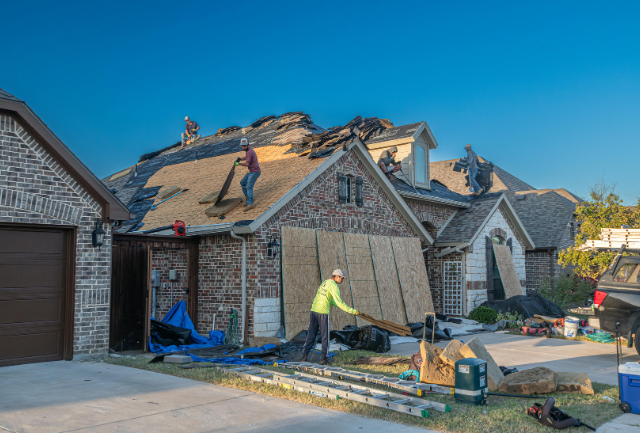
Builder contracts are different from resale contracts.
Builders are less flexible on price.
Negotiation usually happens through incentives rather than reductions.
And the on-site sales agent represents the builder.
Not the buyer.
This matters more than most buyers realize.
It’s also why I stress hiring your own agent before touring the property.
Higher Property Taxes
New construction homes often come with higher property taxes than buyers expect.
When a home is first built, the initial tax assessment may be based on the land or a partial value. After the home is completed and reassessed, property taxes usually increase.
In Northern Virginia, this adjustment can be significant.
Buyers sometimes plan their monthly payment based on the initial tax estimate, only to see their escrow payment rise after the first full assessment.
This is not a mistake.
It is how the system works.
Understanding the future tax burden matters more than focusing on the first year’s payment.
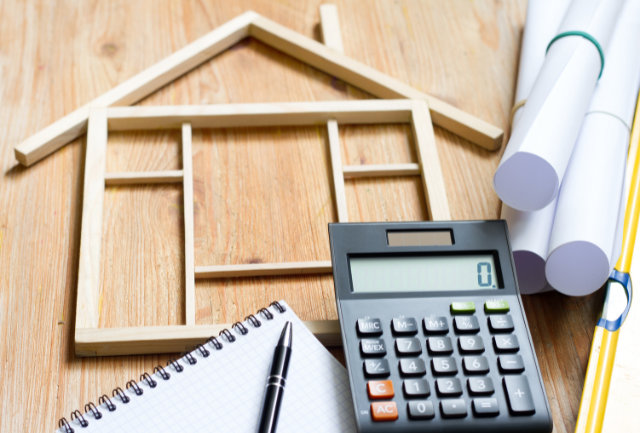
Before committing to new construction, buyers should estimate taxes based on the fully built home value, not the pre-completion assessment.
What Northern Virginia Buyers Should Focus On
New construction does not solve location problems.
Commute time still matters.
Access to work, schools, and daily life still matters.
A beautiful new home with a long commute can feel exciting at first and exhausting over time.
Also remember this.
New homes should still be inspected.
New does not mean perfect.
If you want help weighing new construction against resale options, understanding true monthly costs, and avoiding surprises later, click here to schedule a Perfect Home Consultation. We’ll help you get clarity before you make a decision.
The Bottom Line
New construction offers modern layouts, energy efficiency, and lower early maintenance.
It also comes with higher prices, stricter contracts, and longer timelines.
For some buyers, new construction is the right move.
For others, resale homes offer better value and flexibility.
The goal is not to choose new or resale by default.
The goal is to understand the tradeoffs before making a decision that affects your finances and your day-to-day life.
