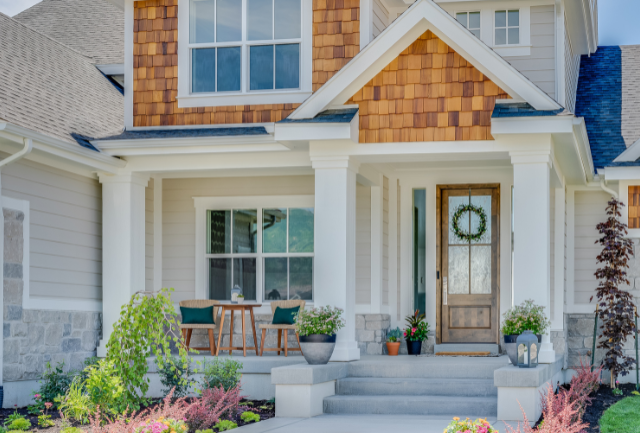
What to Expect During Your First Year in a Brand New Home
Everything looks perfect.
But many buyers are surprised during their first year of ownership because new homes go through a settling process.
This is completely normal.
In fact, most builders design their warranty systems around the reality that a new house needs time to settle after people move in.
If you are considering buying a new construction home in Northern Virginia, here is what most homeowners experience during their first year.
Many buyers also discover that there are things builders do not always explain during the purchase process. If you want to understand some of the behind-the-scenes details before signing a contract, you may want to read 8 Builder Secrets Every New Construction Buyer Should Know in Northern Virginia.
The Emotional Adjustment After Moving Into a New Home
Many buyers do not expect the emotional shift that can happen after moving into a new construction home.
During the building process, there is constant momentum.
You watch the home go from a foundation to a finished house. Each visit to the construction site shows progress.
Once you move in, that momentum suddenly stops.
The excitement of construction is over, and you may notice small projects or unfinished tasks around the house.
That adjustment is normal. It does not mean you made a bad decision. It simply means the building phase is finished and everyday life has started.
Most homeowners settle in once they begin tackling a few small projects and turning the house into their home.
Many buyers find it helpful to understand the entire new construction process before they start visiting model homes.
If you are thinking about buying new construction in Northern Virginia, click here to schedule a Perfect Home Consultation where we walk through builders, communities, timelines, and what to expect during the process.
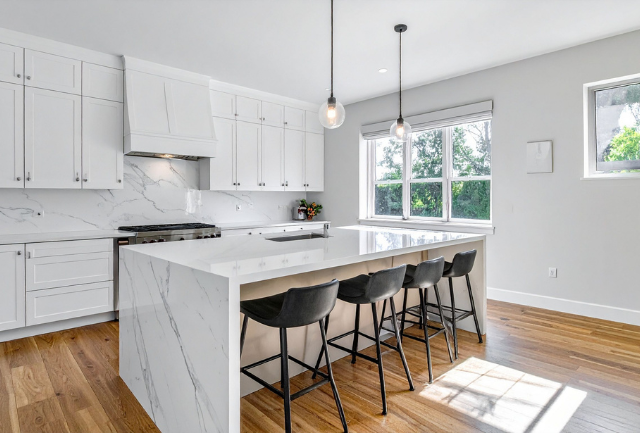
The First 90 Days: Small Issues Start Appearing
Once you move into a new home, the house begins responding to real-life conditions.
Heating and cooling systems start running constantly.
Doors are opened and closed dozens of times each day.
Showers, appliances, and plumbing systems get used regularly.
During the first few months, you may notice small items such as:
- Cabinet doors that need adjustment
- Drywall nail pops
- Minor paint imperfections
- Doors that stick slightly
- Floor transitions that shift
This does not mean the home was poorly built.
Most homes in Northern Virginia experience seasonal humidity changes, especially during summer.
Wood expands.
Drywall settles.
Trim materials shift slightly.
Because of this, many builders schedule a 30 day or 90 day service visit after closing.
Instead of reporting each item individually, homeowners typically keep a running list and submit everything together.

The First Year: Your Home Is Settling
Every new house settles after construction.
This happens because the framing materials dry out and adjust to environmental conditions.
The ground beneath the home also compacts slightly.
During the first year, it is common to see:
- Small drywall cracks near corners
- Trim separation at joints
- Caulking that needs refreshing
- Hairline cracks near stair railings
These are considered normal cosmetic adjustments.
Most builders handle these items during the 11-month warranty inspection, which occurs just before the first year of ownership ends.
This inspection is important because it allows homeowners to address any remaining cosmetic issues before the builder’s warranty expires.
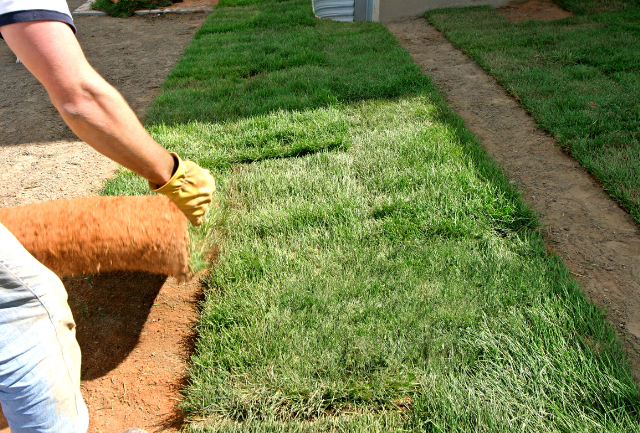
Landscaping Takes Time to Mature
When buyers tour model homes, the landscaping always looks beautiful.
The grass is thick.
The trees are tall.
The gardens are full.
But model homes have often been planted several years earlier.
Your home starts with brand new landscaping.
During the first year you may notice:
- Thin areas in the lawn
- Young trees that look small
- Grass that struggles during summer heat
- Soil settling around planting beds
This is completely normal.
Northern Virginia clay soil can also make grass establishment challenging during the first season.
Most lawns begin to look significantly better after one or two growing seasons.
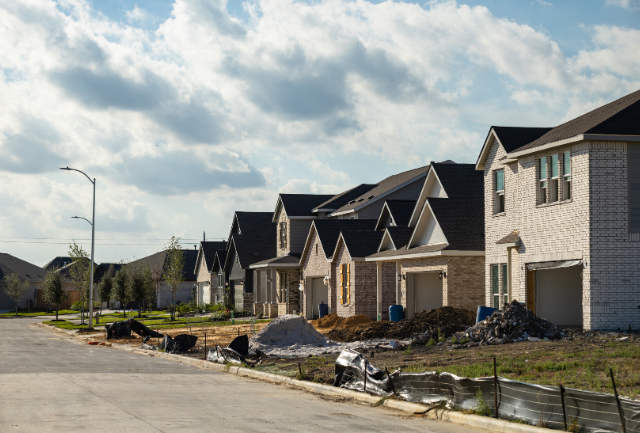
Your Neighborhood May Still Be Under Construction
Many new home communities across Northern Virginia are built in phases.
This means early buyers move in while construction continues around them.
If you purchase in a growing community, you may experience:
- Construction traffic during weekdays
- Homes being framed nearby
- Dump trucks delivering materials
- Temporary mud on roads during rain
This phase can last anywhere from one to three years, depending on the size of the development.
The benefit is that early buyers often receive:
- Better lot selections
- Lower introductory pricing
- More opportunities to choose upgrades
Over time, as construction finishes and landscaping matures, the neighborhood begins to feel more established.
Builder Warranties Cover Most Early Issues
One advantage of buying new construction is the builder’s warranty.
These warranties are designed to address the small adjustments and cosmetic issues that often appear during the first year of ownership.
Repairs do not always happen immediately. Most items require documentation, scheduling service appointments, and coordinating with different trades. The process may involve some follow up and patience.
Still, homeowners should take advantage of the warranty while it is active.
Practical Warranty Tips
- Bundle small issues
Instead of submitting a request for every minor item, keep a running list and submit several items together. This can reduce back and forth and make service visits more efficient. - Schedule a reinspection around 11 months after closing
Some homeowners hire an inspector for a follow up visit near the end of the first year. Inspectors often offer this service at a reduced rate and can help identify cosmetic items that should be addressed before the one year warranty period ends. - Document issues clearly
Take photos, note the date you noticed the issue, and include a short description. Clear documentation helps the builder’s warranty team and their trades understand the issue and respond more efficiently.
Builder warranties address issues that appear after you move in, but the most important protections for buyers are usually written into the builder’s contract before construction even begins. If you are still early in the process, you may want to read Before You Sign With a Builder in Northern Virginia so you understand how builder contracts, deposits, and timelines typically work.

Property Taxes May Adjust After Closing
Property taxes are another area where first-year homeowners sometimes experience surprises.
When you purchase a new construction home, the initial tax estimate may be based on:
- The land value
- Or an incomplete home value
Once the county completes its final assessment, the property may be reassessed based on the finished home.
This is common across Northern Virginia counties, including:
- Fairfax County
- Loudoun County
- Prince William County
- Stafford County
Homeowners should always review their tax estimate carefully and understand that the first year assessment may change.

Utility Costs Become Clear After One Full Year
The first year in a home also helps owners understand real utility costs.
Heating and cooling usage vary dramatically across seasons in Northern Virginia.
Summer humidity can increase air conditioning use.
Winter heating can increase natural gas or electric usage.
After living in the home through all four seasons, homeowners typically gain a better understanding of their monthly utility expenses.
The Community Slowly Comes to Life
One of the most interesting parts of buying new construction is watching the community develop.
At first, the neighborhood may feel quiet.
Then gradually things change.
Neighbors move in.
Families start meeting each other.
Community groups form.
HOA events begin appearing.
Within a few years, the neighborhood often becomes more vibrant than it initially felt.
This stage is part of the natural lifecycle of new construction communities.
Is Buying New Construction in Northern Virginia Worth It?
For many buyers, the answer is yes.
New construction homes offer several advantages:
- Modern floor plans
- Energy-efficient systems
- New appliances and materials
- Builder warranties
- Customization options during construction
But it is important to understand that the first year will include adjustments.
Small repairs.
Landscaping growth.
Community development.
Once buyers understand these realities, they often feel more confident about the process.
Knowing what to expect after move-in is only part of the process. Buyers can also avoid a lot of frustration by understanding the mistakes people often make before and during the purchase.
Common Mistakes Buyers Make When Buying New Construction in Northern Virginia
Buying a brand new home can feel simpler than buying a resale property.
You walk into a model home.
You choose upgrades.
You sign a contract.
Then you wait for the house to be built.
But the process can still surprise buyers who are unfamiliar with how new construction works in Northern Virginia.
Here are several mistakes that buyers often make.
Looking at Model Homes Before Talking to an Agent
Many buyers visit model homes first and plan to hire a real estate agent later. With new construction, that can create a problem.
Some builders require buyers to register their agent during the very first visit to the community.
If you tour the model homes without an agent and sign in on your own, the builder may not allow you to add one later.
Speaking with an agent before your first visit ensures you have representation from the beginning and someone who is looking out for your interests throughout the process.
Many buyers in Northern Virginia schedule a short planning conversation before they start visiting model homes so they understand which builders allow agent representation, how pricing works, and which communities may fit their budget.
That way, their first visits to model homes are more productive and they avoid registration issues that can limit their options later.
Assuming the Model Home Price Includes Everything
Builders often advertise a base price.
But the home shown in the model center usually includes:
- Upgraded cabinets
- Premium countertops
- Hardwood or luxury flooring
- Expanded outdoor spaces
- Additional lighting and trim packages
Once buyers begin selecting options, the final price can increase quickly.
Understanding how upgrade pricing works helps buyers make more confident decisions during the design process.
Not Understanding the Timeline for Construction
New construction homes take time.
Depending on the builder and stage of construction, the timeline may range from six months to over a year.
Weather delays, supply chain issues, and permit approvals can all affect completion dates.
Buyers who plan carefully for temporary housing or flexible moving timelines usually have a smoother experience.
Expecting the Neighborhood to Feel Finished Immediately
When buyers visit a model home community, they often picture the final version of the neighborhood.
But if you purchase early in a development, the community may still be under construction for several years.
You may see construction crews, unfinished roads, and empty lots while the neighborhood builds out.
Over time, landscaping matures, and more residents move in.
The community gradually develops its full character.
Ignoring the One-Year Warranty Window
Many homeowners focus on moving in and settling down.
But the first year is important because most builders provide a one-year workmanship warranty.
During that time, homeowners should keep track of issues such as:
- Drywall cracks
- Paint touch-ups
- Trim separation
- Doors that need adjustment
- Floor transitions
Submitting these items before the one-year mark allows the builder to address them under warranty.
Not Researching the Builder’s Track Record
Not all builders operate the same way.
Some specialize in entry-level homes.
Others focus on luxury construction.
Before committing to a builder, it can be helpful to research:
- Previous communities
- Online homeowner reviews
- Warranty service reputation
- Quality of finished homes
Touring several builders helps buyers understand differences in construction style and materials.
Many of these issues can be avoided by speaking with someone familiar with how builders operate in Northern Virginia before you begin visiting communities.
If you want guidance before touring model homes, click here to schedule a Perfect Home Consultation where we review builders, pricing structures, and the steps buyers should take before signing a contract.
Frequently Asked Questions About Buying New Construction in Northern Virginia

Is it normal to have problems during the first year in a new construction home?
Yes. Most new construction homes go through a settling period during the first year.
You may notice drywall cracks, nail pops, trim separation, doors that need adjustment, or minor cosmetic issues.
That does not automatically mean the home was poorly built.
Many of these issues happen because materials expand, contract, and settle as the home adjusts to temperature changes and daily use.
Does a builder’s warranty cover repairs in the first year?
In many cases, yes.
Most builders offer a one year workmanship warranty, a two year systems warranty, and a longer structural warranty.
Coverage varies by builder, so buyers should review the warranty documents carefully before closing.
The first year is usually when cosmetic and adjustment related items are addressed.
What is an 11-month warranty inspection?
An 11-month warranty inspection is a review done near the end of the first year of ownership.
The goal is to identify issues that developed after move in while the builder’s first year warranty is still active.
This often includes drywall cracks, trim gaps, caulking issues, sticking doors, and other small items that may not have been visible right after closing.
Do new construction homes settle in Northern Virginia?
Yes. New construction homes in Northern Virginia do settle.
This is normal and expected.
Seasonal humidity, temperature changes, and natural material movement can all affect how a home looks and feels during the first year.
That is why many homeowners notice small cosmetic changes after moving in.
Will my property taxes change after buying a new construction home?
They can.
In some cases, the initial tax estimate is based on the lot value or a partially completed assessment.
Once the county updates the value based on the completed home, the tax bill may increase.
Buyers should ask for clarity on how the property is being assessed before they close.
Is landscaping usually finished when you move into a new construction home?
The landscaping is usually installed before closing, but it often needs time to mature.
Grass may come in unevenly.
Trees may look small.
Certain areas may struggle during the first growing season.
That is common, especially in communities where the landscaping is brand new.
Are new construction communities in Northern Virginia still under construction after move-in?
Often, yes.
Many neighborhoods are built in phases.
That means you may move in while other sections of the community are still being developed.
You may see construction traffic, workers, and unfinished common areas for a period of time.
Is buying new construction in Northern Virginia worth it?
For many buyers, yes.
New construction homes offer modern layouts, energy-efficient features, newer materials, and builder warranties.
At the same time, buyers should understand that the first year is usually a period of adjustment.
Knowing what to expect can make the experience much less stressful.
Thinking About Buying New Construction in Northern Virginia?
Northern Virginia has dozens of new home communities across the region.
Many buyers begin their search by touring model homes to understand:
- Builder quality
- Floor plan layouts
- Community amenities
- Pricing differences between counties
If you are considering buying new construction in Northern Virginia and want help evaluating communities, builders, and pricing, you can schedule a Perfect Home Consultation.
During the consultation, we review your goals, your timeline, and which communities may be the best fit before you begin touring homes.
If you want to explore some of the new construction communities currently available, you may also want to review my video tours and community guides covering areas such as:
These tours allow buyers to see the homes and neighborhoods before visiting in person.
