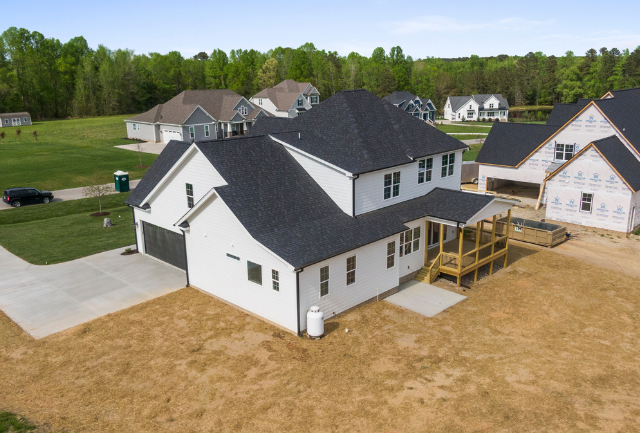
Building Starts With the Right Questions
Building a new home in Northern Virginia can be one of the most exciting experiences in real estate. It can also feel overwhelming if you have never built a home before. Whether this is your first or your fifth purchase, understanding how new construction works will make the entire journey smoother and more predictable.
If you plan to build a home in Northern Virginia in 2026, you are in the right place. This guide covers what to ask, what to expect, and what to avoid. After years of helping buyers through the new construction process, I have seen patterns that most buyers never notice. These insights can save you money, protect your budget, and help you negotiate with confidence.
The goal is to prepare you so you feel in control of your build from the first appointment to the final walkthrough.
Table of Contents
- Understanding Base Pricing and How It Changes
- Getting Free or Discounted Upgrades
- Strategic Lot Selection
- Maximizing Incentive Money with Structural Choices
- Deposits in a Build Contract
- Timing Your Contract for Maximum Leverage
- Understanding Builder Contract Language
- Tools to Browse Floor Plans and Neighborhoods
- HOA Information and Property Tax Details
- Build Timelines and What to Expect
- Why Third-Party Inspections Matter
- Understanding Builder Warranties
- Partner with a Real Estate Agent
- Frequently Asked Questions
- Conclusion
- Want Help Applying this to Your Situation? Schedule a Perfect Home Consultation

Understanding Base Pricing and How It Changes
Base pricing is one of the most misunderstood parts of new construction. The price you see on a builder’s website represents the cost of the floor plan with standard features on a lot with no premium. That price does not reflect what most buyers spend.
Upgrades, structural modifications, and lot premiums increase the final price. Most buyers spend about 10% above the base price. More discriminating buyers often spend more.
Many buyers are surprised by how quickly the final price grows beyond the advertised base price.
If you want a deeper breakdown of expenses most buyers do not anticipate, I explain them in detail in my post on the hidden costs of new construction.
Builders also adjust base prices throughout a community. These adjustments can happen every few sales or at the beginning of new phases. Early buyers usually secure lower prices and often enjoy better standard features. Builders want momentum, which is why the first set of contracts in a new phase often comes with stronger incentives.
Many times, the best financial move is to get into the community early. You lock in a lower base price and secure better upgrade incentives before demand increases.
Getting Free or Discounted Upgrades
Builders rarely negotiate the cost of the upgrade itself. Their internal pricing and engineering determine the price for structural or design items. What you can sometimes negotiate is the amount of incentive money the builder applies toward your upgrades.
In slower markets, you may also be able to negotiate discounted lot premiums or closing cost credits. In a strong market, incentives depend on timing, community demand, and how close the builder is to meeting sales goals.
Focus your negotiations on incentive dollars rather than expecting lower upgrade prices.
Strategic Lot Selection
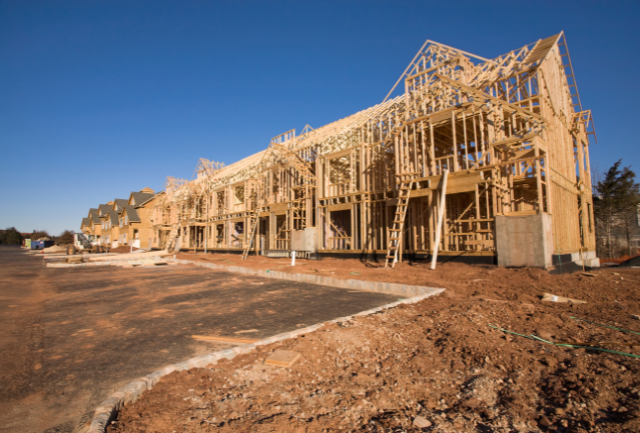
Choosing the right lot is a decision that follows you long after the home is built. Lot premiums can range from a few thousand dollars to tens of thousands of dollars, depending on features like size, privacy, orientation, elevation changes, or views.
Questions to consider include the following.
- Which way will the home face, and how will sunlight affect the interior?
- Is the lot located near busy streets or in a quieter interior section of the neighborhood?
- Will future development block a view or change traffic patterns?
- Will the garage or driveway configuration make parking easy or frustrating?
- Is the lot near the model home where visitors park for months?
Ask the builder for a complete lot release map. You want to see current and future releases, so you do not choose a lot without understanding what will surround it.
Repetition rules also matter. Builders must space out identical floor plans and sometimes identical elevations. This can limit your preferred floor plan on certain lots. Always request a lot fit diagram to confirm how the home will sit on the land.
Maximizing Incentive Money with Structural Choices
Spend your incentive dollars on items that are difficult or expensive to add after closing. Structural upgrades change the home’s footprint or function. These upgrades include items such as the following.
- Extra bedrooms
- Additional full bathrooms
- Screened porches
- Extended patios
These changes require early engineering and cannot be added later without major cost.
Cosmetic upgrades can wait if needed. Flooring, counters, backsplashes, and light fixtures can be replaced later. They often cost more after closing, but they are still possible. Structural changes are not.
Do not forget about the exterior elevation. The elevation determines the home’s architectural style. It includes rooflines, window styles, porch designs, and masonry elements. Elevations affect curb appeal and can influence resale value. Choose carefully because the elevation cannot be changed after construction.
Incentive money goes fast, and once structural decisions are locked in, they cannot be changed.
I work with buyers to map out upgrade priorities and apply incentives strategically before anything is finalized.
Schedule a Perfect Home Consultation if you want help making these decisions with confidence.

Deposits in a Builder Contract
Builder contracts often involve multiple deposits. The first deposit is your earnest money deposit to secure the contract. After your design appointment, you may owe an additional deposit, typically 25% to 50% of your design selections.
For example, if your design upgrades total $20,000, your design deposit may be $10,000. This amount is credited back to you at closing. Some builders offer payment plans for this deposit.
Plan ahead for these payments so the process feels predictable rather than stressful.
Timing Your Contract for Maximum Leverage
Builders operate on monthly, quarterly, and annual sales goals. Sales representatives also have individual goals that influence the incentives they can offer.
Your timing matters.
Signing near the end of a month or quarter may give you more negotiating power if the community is behind on sales. You may secure more incentive money, reduced lot premiums, or design center credits.
Ask the sales representative how many contracts they need to meet their goals. This information guides your negotiation strategy. Also, be ready to sign quickly if the builder agrees to your terms. Serious buyers often receive better incentives than buyers who hesitate.
Understanding Builder Contract Language
Builder contracts are not the same as standard resale contracts. The Virginia Real Estate Board does not regulate builder contracts. Builders write their own agreements, and the terms favor the builder.
Most builders will not modify contract language. Earnest money deposits are usually nonrefundable. If you cancel for reasons not covered in the contract, the builder keeps your deposit.
Read the contract carefully. Pay attention to escalation clauses, timelines, and lot availability disclosures. An experienced agent can help you understand the implications of these terms before you sign. It’s best to meet with an agent before ever touring the community.
Tools to Browse Floor Plans and Neighborhoods
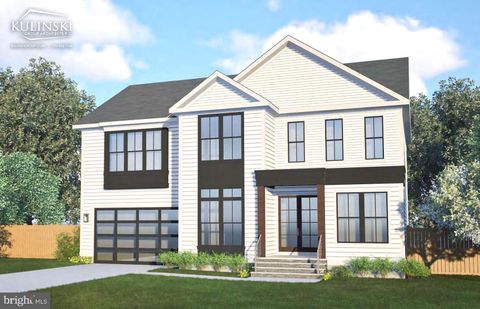
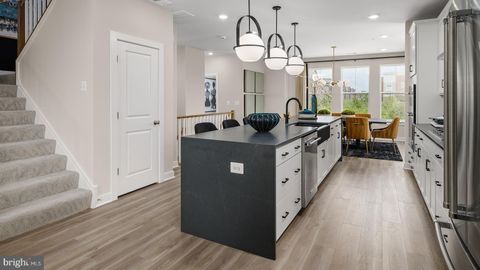
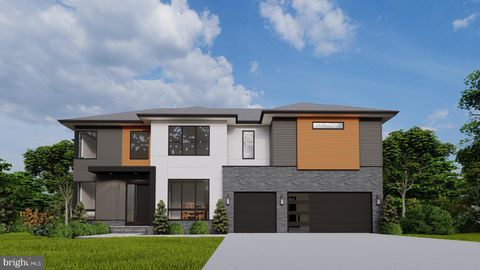
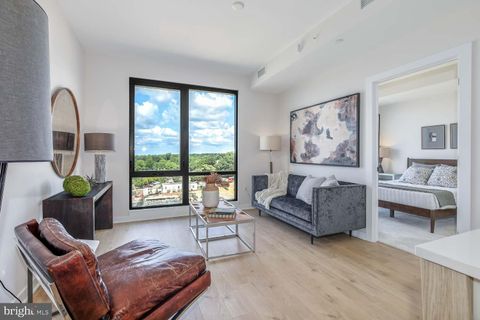
Researching new construction communities can feel overwhelming. Many online portals mix resale and new construction listings, which slows the search process.
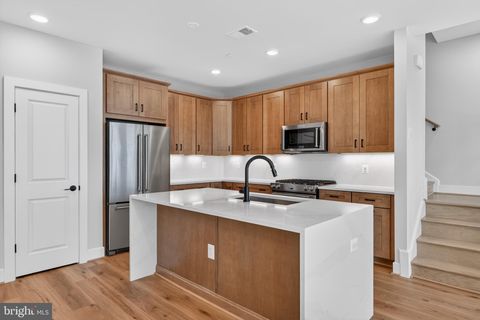
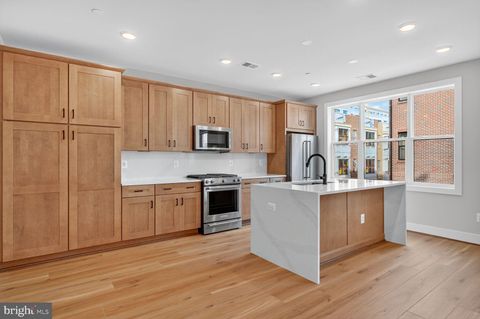
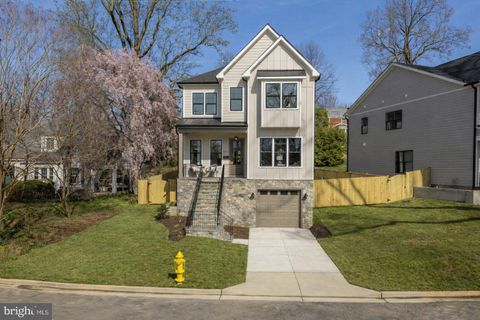
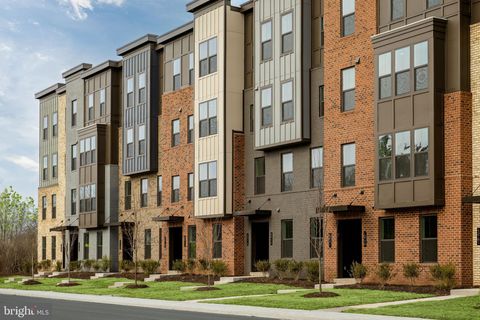
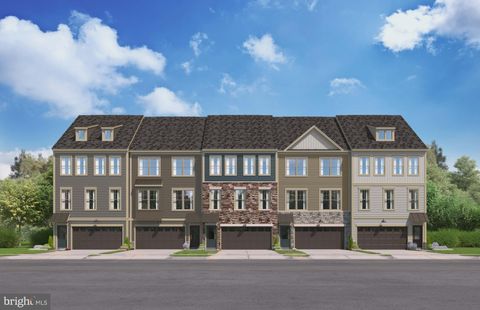
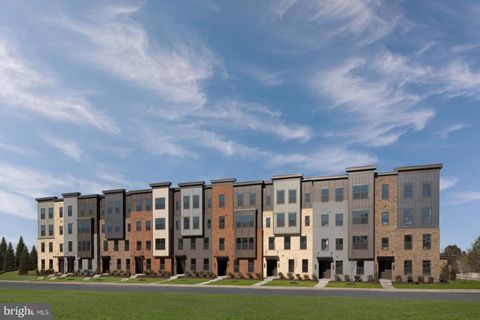
Specialized platforms let you filter for new construction and compare builders and floor plans across Northern Virginia. These tools save time and show inventory homes, upcoming releases, and community amenities.
If you are relocating, consider using a relocation guide that outlines school boundaries, commute patterns, and neighborhood features. A real estate agent with experience navigating the process can also help narrow your choices and recommend communities that fit your goals.

HOA Information and Property Tax Details
Before signing a contract, ask the builder for details about the following items.
- Homeowners Association fees and rules
- Property tax estimates for the community
- Special assessments or community development fees
Most new construction communities in Northern Virginia are part of an HOA. Fees cover maintenance, amenities, and community operations. Property tax rates vary across counties and towns. These fees affect your total monthly payment and should be considered early.
Build Timelines and What to Expect
After contract signing and design selections, there is usually a period where not much appears to be happening. Behind the scenes, the builder is finalizing permits, ordering materials, and scheduling trade partners.
Once framing begins, the process moves faster. The builder will give you a rough estimate of completion early in the process. Expect more reliable dates once cabinets and countertops are installed.
If you currently own a home, consider financing options such as bridge loans. Builders do not typically accept home sale contingencies on to be built homes. With proper planning your move out and move in can align smoothly.
Why Third-Party Inspections Matter
Every buyer should hire an independent inspector at two key stages. The first inspection should happen before drywall installation. The second inspection should happen shortly before closing.
The pre-drywall inspection allows the inspector to evaluate framing, plumbing, electrical work, and HVAC placement before everything is covered. The final inspection, also known as the blue tape inspection, ensures that punch list items are identified before settlement.
Most reputable builders welcome third-party inspections. These inspections protect your investment and ensure any issues are resolved promptly.
You should also schedule a warranty inspection about nine months after closing. This gives you time to identify issues while still under the one-year warranty.
Understanding Builder Warranties
Builder warranties typically cover the following areas.
- One year for cosmetic items and general workmanship
- Two years for mechanical systems such as plumbing, HVAC, and electrical
- Five to ten years for major structural components
Some builders manage warranty service in-house. Others use third-party warranty companies. Knowing who will handle service requests can help set expectations.
Document all issues carefully and submit requests in writing. Warranty work can feel slow at times, but persistence pays off.
Partner with a Real Estate Agent
Building a home is a major financial decision. And although it is an option, I recommend you not go at it alone. Working with a real estate agent, like me, who specializes in new construction, gives you a valuable advantage.
I’ll guide you at each step and can explain builder reputations, incentive structures, contract terms, and upgrade strategies. A knowledgeable agent can save you time, money, and frustration.
Builders pay my commission, so there is no reason to navigate the process alone.
Schedule your Perfect Home Consultation to review builders, incentives, and next steps before you sign anything.

Frequently Asked Questions
How much will my final price be above the base price?
Many buyers spend around 10% above the base price once upgrades and lot premiums are included.
Can I negotiate the base price?
Base prices rarely change. Focus on negotiating more incentive money.
Which upgrades should I prioritize?
Always prioritize structural upgrades because they cannot be added later without significant cost.
How many deposits will I need?
You will have an initial earnest money deposit, plus a design center deposit, usually between 25% and 50% of your design upgrades.
Are builder contracts negotiable?
No. Builders almost never change their contracts. Understand the terms before signing.
Should I order inspections during the build?
Yes. A pre-drywall inspection and a final inspection are essential.
Can incentives improve after I sign?
Sometimes incentives improve, but there is no guarantee. You can ask for adjustments, but approval varies by builder.
How long does the build take in Northern Virginia?
Most homes require 7 to 9 months from contract to completion, depending on size, permitting, and labor availability.
Why should I work with a new construction specialist?
They understand builder systems and can guide you through negotiation, design, and contract decisions. They help you avoid costly errors and maximize your incentives.
Conclusion
Building a home in Northern Virginia is a rewarding experience when you understand the process. You can avoid costly mistakes by learning how base pricing works, how incentives are structured, and how lot selection affects long-term enjoyment and resale value.
Be strategic. Ask questions. Hire the right professionals. These steps help ensure that your new home is built with confidence and clarity from start to finish.
If you are searching for an agent who can guide you through every step of the new construction process, I would love to help. Call me at 703-539-2053 or click here to schedule your Perfect Home Consultation. Together, we can make your new home a reality.
