Stage 6
The New Construction Building Process and Timeline in Northern Virginia
Stage 6 of the Northern Virginia New-Construction Roadmap
A construction schedule is a chain of dependencies: plans, permits, site work, trades, inspections, utilities, materials, weather, buyer decisions, and final occupancy approval. A delay in one step can move several later steps, while visible activity does not always mean the critical path is advancing.
Your role is not to supervise subcontractors. It is to understand the milestones, know what the contract allows, document decisions, attend permitted meetings and inspections, and raise questions while work is still accessible.
This page gives you a milestone map, a county-permit reality check, and a communication system that survives schedule changes.
Roadmap Home | Property Tour Map
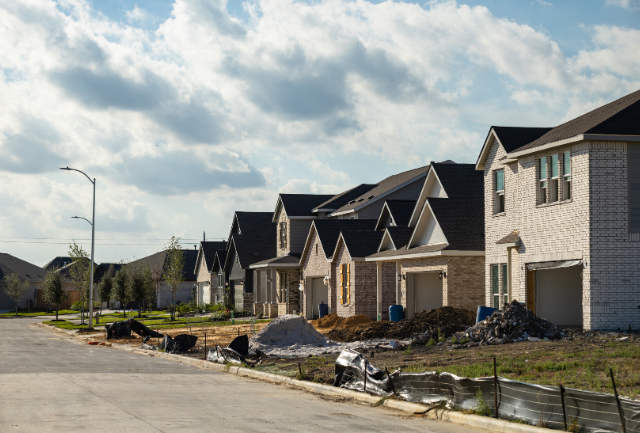
See the work before drywall hides it
A pre-drywall visit makes the construction sequence tangible
Watch what is visible at the pre-drywall stage, then use this page to track milestones, inspection windows, open issues, financing, insurance, and closing readiness without treating an estimated date as a promise.

Understand the Major Construction Milestones
1. Plans, selections, engineering, and permits
The builder converts the contract and selections into construction documents, site plans, engineering, and permit submissions. Confirm plan orientation, elevation, structural options, windows, rough-ins, and site condition before they disappear into production drawings.
2. Site work and foundation
Clearing, excavation, utilities, footings, foundation walls, waterproofing, drainage, slab preparation, and backfill occur in an order that varies by home and site. Ask what foundation or pre-pour inspection access the contract permits and how site drainage will be established.
3. Framing and dry-in
Floors, walls, roof structure, sheathing, windows, and exterior doors create the form of the home. Framing changes can still occur in the field. Compare the visible structure with the plan, but route questions through the builder’s process rather than directing workers.
4. Rough mechanical, electrical, plumbing, and low voltage
Supply and drain lines, wiring, panels, HVAC equipment and ducts, ventilation, gas, fire-safety systems, and data wiring are installed before insulation and drywall. This is the critical documentation window for rough-in locations and a common time for an independent pre-drywall inspection when the contract allows it.
5. Insulation, air sealing, and drywall
Behind-wall systems become hidden. Photograph permitted areas before drywall, especially blocking, wiring, plumbing, ducts, shutoffs, and future mounting points. Verify that required corrections were addressed before access disappears.
6. Interior and exterior finishes
Cabinets, trim, doors, tile, flooring, counters, fixtures, appliances, siding, masonry, paint, grading, and landscaping overlap. A nearly finished home can still have substantial commissioning, correction, inspection, and utility work remaining.
7. Final inspections, occupancy approval, walkthroughs, and closing
Trades complete final tests and government inspections; the builder performs quality-control and buyer walkthroughs; the lender and title company finish closing requirements. In Fairfax County, a Residential Use Permit is issued after permits receive final inspections and conditions are met. Loudoun County similarly oversees permits, construction inspections, and final occupancy approval.
Milestone question: What must be completed, inspected, approved, or delivered before the next step—not merely what work appears next on the calendar?
Track Northern Virginia Permits and Inspections
Permits and government inspections are essential, but they answer a narrower question than many buyers assume. They address applicable code, approved plans, and required inspections; they do not guarantee perfect workmanship, verify every finish, enforce every contract promise, or replace independent inspection rights.
Ask for the permit identifiers
Request the building permit number and relevant trade permits when available. Use the local portal to understand status and required approvals, but recognize that public information may lag field activity or require interpretation.
Fairfax County
Fairfax County Land Development Services explains that new residential construction involves building and trade permits, required inspections, and a Residential Use Permit after final approvals. See the county’s new residential building guidance.
Loudoun County
Loudoun’s Department of Building and Development reviews plans, issues residential permits, conducts inspections, and grants final occupancy approval. New homes can involve building, zoning, electrical, gas, mechanical, plumbing, occupancy, grading, and health approvals depending on the property. See Loudoun Building & Development.
Questions the permit status does not answer
- Were your exact options and later change orders incorporated?
- Was a cosmetic, functional, or warranty concern corrected?
- Did the builder follow a higher manufacturer or contractual standard?
- Is grading complete enough to evaluate drainage?
- Are association, utility, lender, and title requirements satisfied?
Important distinction: “Passed inspection” does not mean “ready to close,” and “substantially complete” does not necessarily mean every buyer item is finished.
Protect the Schedule and Paper Trail
Create a construction dashboard with one row per milestone and issue. The goal is not constant messaging; it is a reliable record that keeps questions, decisions, and promised follow-up from disappearing.
Weekly update fields
- work completed since the last update;
- work scheduled next and its dependencies;
- pending selections, approvals, utilities, materials, or inspections;
- new schedule risk and estimated effect;
- buyer decisions required and deadline;
- open issues, responsible person, and target response date;
- current estimated closing window and confidence level.
Issue log
Record the date, location, description, photo, plan or specification reference, person notified, response, promised action, and verification result. Separate questions from confirmed defects. Use neutral language and give the builder an opportunity to investigate.
Document-control rules
- Keep the latest signed contract, plans, selection sheets, and change orders in one folder.
- Do not treat an email change as approved until the contract’s change process is satisfied.
- Photograph labels, serial numbers, rough-in locations, and hidden conditions only when site access and safety rules permit.
- After meetings, send a concise written recap of decisions and unresolved items.
- Save builder schedule updates and closing notices; they affect lender, lease, mover, rate-lock, and sale planning.
Schedule protection outside the construction site
Keep the lender updated on price changes and timing. Ask how often financial documents, appraisal, employment, assets, credit, or rate-lock decisions must be refreshed. Avoid opening credit, moving large funds, changing employment, or making major purchases without consulting the lender.
Build flexibility into lease termination, movers, storage, travel, utilities, and the sale of an existing home. Do not schedule a hard move based only on an early projected date.
When to escalate a question
Escalate through the builder’s written process when work conflicts with signed documents, a correction will soon be concealed, a safety or water concern exists, a milestone passes without an agreed inspection, or repeated updates do not resolve the issue. Bring in the appropriate specialist—inspector, engineer, attorney, lender, surveyor, or local authority—rather than asking one professional to answer outside their role.
Best practice: calm, specific, documented questions tied to plans, specifications, contract language, inspection findings, or visible conditions are more useful than a long list of assumptions.
Frequently Asked Questions
How long does a new construction home take?
There is no reliable universal number. Product type, permitting, site work, utility availability, labor, materials, weather, inspections, customization, and builder production schedules all matter. Use the contract’s date language and current milestone dependencies.
Can I visit the construction site whenever I want?
Usually not. Active sites have safety, insurance, and scheduling rules. Follow the contract and builder’s access process, arrange visits in advance, and do not direct subcontractors or enter without authorization.
What should I photograph before drywall?
When permitted: every wall, ceiling, and floor from identifiable angles; plumbing, electrical, low-voltage, ducts, blocking, shutoffs, panels, fire-safety components, and future mounting locations. Keep photos organized by room and date.
Does bad weather always delay closing?
Not necessarily. It depends on the construction stage, severity, site condition, available float, inspection and trade schedules, and contract language. Ask which critical-path activity was affected and what work can continue.
What if a material is discontinued?
Review substitution provisions and the signed selection documents. Ask what replacement is proposed, how equivalence is measured, whether related finishes will match, and what notice, approval, credit, or remedy applies.
Should I worry when no work is visible?
Possibly, but not every dependency is visible. Plans, inspections, utility coordination, material delivery, and trade sequencing can pause field work. Ask for the specific pending dependency and expected next action.
Can a home receive occupancy approval with open cosmetic items?
Occupancy approval focuses on applicable government requirements. Builder walkthrough or warranty items may remain. Review the contract to understand what must be complete before closing and how outstanding items are documented.
Continue the Roadmap
Before Stage 7, confirm the contract’s inspection access, book the qualified inspector early, provide plans and option sheets, and schedule the pre-drywall or final inspection within the builder’s required window.
Carry the construction issue log into the blue-tape walkthrough so open questions, independent inspection findings, and finish items are not tracked in separate systems.
← Stage 5 | Roadmap Home | Stage 7: Inspections and Blue Tape →
