Eight stages. One connected public resource.
Northern Virginia New Construction Buyer Roadmap
Buying a newly built home is not one decision. It is a chain of decisions about representation, location, builders, property type, delivery method, price, financing, contracts, selections, construction, inspections, closing, and warranty service.
Use the stage that matches the question in front of you. Every guide, calculator, tour, and map resource is available without creating an account or surrendering your contact information.
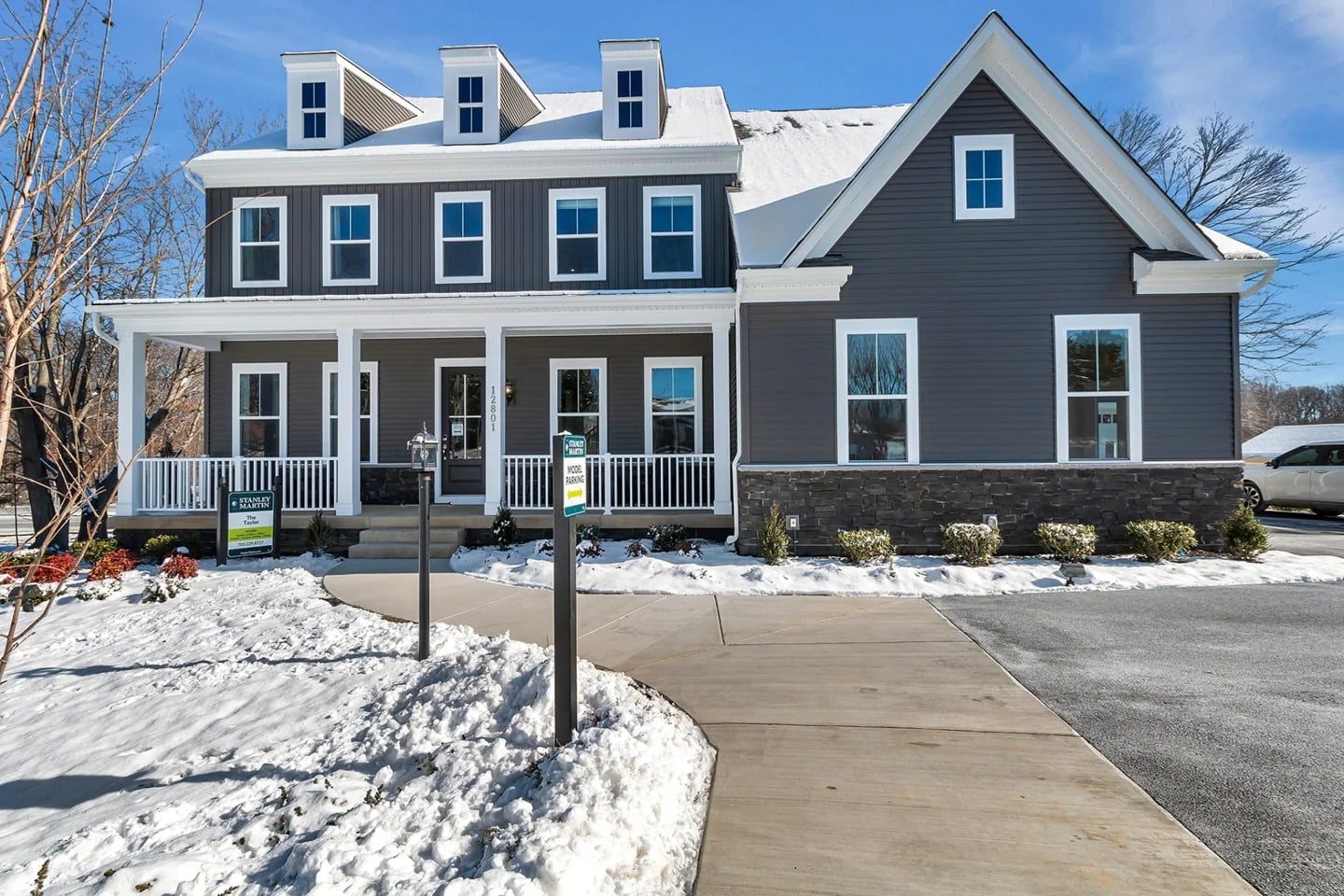
Start with the decision—not the model home
You do not need to read this entire roadmap in one sitting. Start with the decision that is directly in front of you. If you have not contacted or registered with a builder, begin with Stage 1. If you are already under contract, jump to the stage you need and use the backward links whenever a new fact changes an earlier decision. The roadmap is sequential, but real construction is not always linear.
Two details stay separate throughout the roadmap: your legal property type—such as condominium or fee-simple ownership—and the builder's delivery method, such as quick delivery, to-be-built, production, or semi-custom. One does not determine the other.
Watch the process before you enter it
If you want the complete process explained out loud, start here
This video walks you through the major phases of building a new home in Virginia. Watch it first if you need the big picture; then use the eight stages below when you need the exact questions, documents, calculators, and next steps for your situation.
Watch the complete new-home construction process on YouTube →
The Northern Virginia new-construction process
Prepare before first builder contact
Protect your representation options, define the housing problem, establish financial guardrails, and verify the registration policy before contacting or touring a builder.
Compare complete purchasable configurations
Compare the actual builder, community, legal property type, floor plan, included specification, homesite, and delivery method—not merely decorated models.
Build the deal and test financial exposure
Reconcile finished contract price, pre-closing commitments, cash required at closing, ongoing ownership costs, incentives, lender terms, and appraisal exposure.
Price the finished home and test the financing →
Compare a builder-affiliated lender incentive against matched written pricing before treating the credit as savings. Compare the incentive, points, and lender credits in the Mortgage Decision Guide, then compare the written Loan Estimates.
Review the builder contract and commit deliberately
Locate the provisions controlling deposits, financing, appraisal, construction changes, access, inspections, delays, default, warranty, and settlement before signing.
Finalize structural options and design selections
Prioritize hard-to-change work, reconcile every selection with the finished price, and preserve the exact products, locations, deadlines, deposits, and approvals.
Manage construction dependencies and settlement readiness
Track milestones, evidence, inspection windows, financing, insurance, housing logistics, and open issues without treating an estimated delivery date as a promise.
Inspect, document, verify, and resolve
Use the inspection opportunities the contract and builder allow, document findings, obtain written responses, and verify corrections instead of relying on tape or verbal promises.
Close, take possession, and manage year one
Reconcile closing, preserve delivery records, understand the warranty layers, submit claims clearly, maintain the home, and plan the eleven-month review.
Keep four different financial layers separate
A builder's advertised base price is not your finished price, and your finished price is not the same as the cash you will need before or at closing. Use these four layers whenever you compare two homes or two incentive packages.
Use a tool when the question is numerical
Calculator results are private to the active browser session. They use only the numbers you enter, do not require an account, and do not replace lender, appraisal, tax, settlement, legal, engineering, or inspection professionals.
Incentive and Preferred-Lender ComparatorCompare competing packages under matched assumptions and identify unusable credits or unmatched terms.
Appraisal Gap and LTV Stress TestTest user-entered value scenarios without predicting an appraisal or a lender's decision.
Construction-Delay and Rate-Lock ScenariosMeasure user-entered timing, lock, housing, storage, moving, and overlap costs without predicting completion.
Builder Upgrade Versus Complete LaterCompare equivalent scopes, financing effects, disruption, approvals, warranties, and unresolved feasibility.
Use the calculator that matches the decision you are making. Each opens directly from the list above.
Explore communities and property tours geographically
The map is a geographic discovery tool, not a guaranteed live-inventory feed. Use it to find Ask A Walker tours and community resources, then verify current homes, prices, incentives, and sales status directly for the community you are considering.
Northern Virginia new-construction questions people usually ask first
Should I contact the builder before choosing a real-estate agent?
Not if you want to preserve every representation option. Builder registration and first-visit policies vary, so clarify representation before calling, submitting a form, attending an event, or touring a model home.
Is the model-home price the price of the home I will buy?
Usually not. Compare the base home, included specification, homesite, structural changes, design selections, incentives, financing terms, and move-in costs as one purchasable configuration.
Are builder incentives automatically a good deal?
No. An incentive can be useful, unusable, or offset by lender pricing, fees, deadlines, appraisal exposure, or a higher contract price. Compare packages under the same assumptions.
Do I still need inspections on a newly built home?
New does not mean independently verified. Your contract and construction schedule control which inspections are allowed, so plan the inspection strategy before the relevant window closes.
How long does new construction take in Northern Virginia?
It depends on the delivery method, permitting, site conditions, labor, materials, utilities, inspections, change orders, and builder sequencing. Treat dates as estimates unless the controlling contract says otherwise.
When personalized help becomes useful
Use the public guides first. The Perfect Home Questionnaire becomes useful when your requirements are unclear or you want help narrowing communities. Direct assistance becomes useful when you are preparing to register, comparing specific builder documents, evaluating a time-sensitive incentive, selecting a homesite, or coordinating a transaction-specific issue.
Source and professional boundary: This roadmap combines Ask A Walker's Northern Virginia transaction experience with public educational sources and visitor-entered scenarios. Builder policies, contracts, availability, prices, incentives, timelines, association documents, and professional conclusions vary by property and date. Verify consequential facts using the controlling document or the appropriate attorney, lender, appraiser, inspector, engineer, settlement professional, tax professional, insurance professional, association, builder, or local authority. Last substantive roadmap review: August 2026.
